

 當前位置:
當前位置:中空玻璃生產線:掌握5個核心要點,輕松洗出潔凈無瑕疵玻璃
時間:2026-03-19 來源:http://www.hebeiruizhi.com/ 發布人:昌盛機械
中空玻璃生產線:掌握5個核心要點,輕松洗出潔凈無瑕疵玻璃
Hollow Glass Production Line: Mastering 5 Core Points to Easily Wash Clean and Flawless Glass
對于中空玻璃生產企業來說,玻璃的潔凈度是產品品質的核心,也是最容易出現問題的環節——很多廠家明明用著合格的生產線,卻總洗不出透亮潔凈的玻璃,要么表面有水痕、毛絮印,要么殘留雜質,影響后續合片質量和產品口碑。其實,想要通過中空玻璃生產線洗出更干凈的中空玻璃,無需依賴高端設備,也不用花費額外成本,只要掌握5個核心要點,就能徹底解決清洗難題。今天就結合實操經驗,詳細拆解這5個關鍵細節,解答“如何讓中空玻璃生產線洗出更干凈的玻璃”,用通俗且專業的語言,帶大家避開清洗誤區,輕松產出高品質潔凈玻璃。
For insulated glass production enterprises, the cleanliness of glass is the core of product quality and also the most prone to problems - many manufacturers use qualified production lines, but they cannot wash out transparent and clean glass, either with water marks, fuzz marks, or residual impurities on the surface, which affect the quality of subsequent lamination and product reputation. In fact, if you want to wash cleaner insulated glass through an insulated glass production line, you don't need to rely on high-end equipment or incur additional costs. As long as you master the 5 core points, you can completely solve the cleaning problem. Today, based on practical experience, we will break down these 5 key details in detail and answer the question of "how to make the insulated glass production line wash cleaner glass". Using simple and professional language, we will guide everyone to avoid cleaning misconceptions and easily produce high-quality clean glass.
中空玻璃生產線的清洗環節,看似簡單,實則離不開水、毛刷、水箱、風刀等多個環節的精準配合,任何一個細節出現偏差,都可能影響清洗效果。很多廠家忽視這些細節,盲目操作,導致玻璃清洗不徹底,反而誤以為是生產線出現故障,花冤枉錢維修或更換設備,實則只要把控好以下5個要點,就能輕松實現高效潔凈清洗。
The cleaning process of the insulated glass production line may seem simple, but in reality, it cannot be separated from the precise coordination of multiple processes such as water, brushes, water tanks, and air knives. Any deviation in any detail may affect the cleaning effect. Many manufacturers overlook these details and operate blindly, resulting in incomplete glass cleaning. Instead, they mistakenly believe that it is a production line malfunction and spend money on repairing or replacing equipment. In fact, as long as they control the following 5 key points, efficient and clean cleaning can be easily achieved.
第一個核心要點,也是最基礎的一點——控制清洗用水的純度,這是玻璃潔凈的前提。很多人不知道,清洗中空玻璃的水,并非普通自來水就能滿足要求,而是有明確的純度標準:正常情況下,清洗用水的電導率需控制在30個西門子以內;即便放寬標準,也不能超過30~50個西門子,這個范圍內的水質潔凈度足夠,不會因水中含有雜質、礦物質,導致玻璃清洗后出現水痕、水漬,影響視覺效果。這里補充一個專業知識點:水中的雜質和礦物質含量越高,電導率數值就越大,清洗時這些雜質會附著在玻璃表面,干燥后形成難以清除的印記,因此控制水質電導率,是洗出干凈玻璃的第一步。
The first and most fundamental point is to control the purity of the cleaning water, which is a prerequisite for glass cleanliness. Many people do not know that the water used to clean insulated glass cannot meet the requirements with ordinary tap water, but has clear purity standards: under normal circumstances, the conductivity of the cleaning water should be controlled within 30 Siemens; Even if the standards are relaxed, it cannot exceed 30-50 Siemens. The water cleanliness within this range is sufficient and will not cause water marks or stains after glass cleaning due to impurities or minerals in the water, which will affect the visual effect. Here is an additional professional knowledge point: the higher the impurity and mineral content in water, the greater the conductivity value. During cleaning, these impurities will adhere to the surface of the glass and form difficult to remove marks after drying. Therefore, controlling the water quality conductivity is the first step in washing clean glass.
第二個要點,及時清理毛刷和膠滾,避免藏污納垢導致二次污染。中空玻璃生產過程中,玻璃表面難免會殘留眉粉、玻璃渣子等細小雜質,這些雜質在清洗過程中,會附著在生產線的毛刷和膠滾上,若不及時清理,時間久了就會越積越多,后續清洗玻璃時,這些雜質會被再次轉移到玻璃表面,導致玻璃越洗越臟,出現毛絮印、劃痕等問題。因此,每次生產結束后,或每清洗一定數量的玻璃,就需要及時清理毛刷和膠滾上的殘留雜質,保持其潔凈,從根源上避免二次污染。
The second key point is to clean the brush and rubber roller in a timely manner to avoid secondary pollution caused by dirt and grime accumulation. During the production process of insulated glass, it is inevitable that small impurities such as eyebrow powder and glass slag will remain on the surface of the glass. These impurities will adhere to the brushes and rubber rollers on the production line during the cleaning process. If not cleaned in time, they will accumulate more and more over time. When cleaning the glass later, these impurities will be transferred to the surface of the glass again, causing the glass to become dirtier as it is washed, resulting in problems such as fuzz marks and scratches. Therefore, after each production is completed or after cleaning a certain amount of glass, it is necessary to promptly clean the residual impurities on the brushes and rubber rollers to maintain their cleanliness and avoid secondary pollution from the root.
第三個要點,保持水箱潔凈,杜絕清洗水渾濁引發的清洗問題。清洗水箱是中空玻璃生產線的“水源儲存站”,若水箱長期不清理,水中的雜質、污垢會不斷沉淀,導致清洗水渾濁,用渾濁的水清洗玻璃,不僅無法去除玻璃表面的雜質,還會讓雜質附著在玻璃上,形成污漬。因此,需要定期清理水箱,及時更換清洗水,確保水箱內部無沉淀、無污垢,讓清洗水始終保持潔凈,為玻璃清洗提供良好的介質基礎。
The third key point is to keep the water tank clean and prevent cleaning problems caused by turbid cleaning water. Cleaning the water tank is the "water source storage station" of the hollow glass production line. If the water tank is not cleaned for a long time, impurities and dirt in the water will continue to settle, causing the cleaning water to become turbid. Cleaning the glass with turbid water not only fails to remove impurities on the surface of the glass, but also allows impurities to adhere to the glass, forming stains. Therefore, it is necessary to regularly clean the water tank, replace the cleaning water in a timely manner, ensure that there is no sediment or dirt inside the water tank, keep the cleaning water clean at all times, and provide a good medium foundation for glass cleaning.
第四個要點,把控風機功率與風刀的配合,確保玻璃表面快速脫水。玻璃清洗完成后,若表面水分不能及時剝離,干燥后就會形成水痕,這也是很多廠家遇到的常見問題。而水分剝離的效果,不僅與風機功率大小有關,還和風機與風刀的配合密切相關——風機功率決定了風力大小,而風刀的作用是將風力集中,在第一時間將玻璃表面的水分用力剝離開,避免水分殘留。因此,需根據生產線的實際情況,調整好風機功率,確保風刀與風機配合默契,實現快速脫水,減少水痕產生。
The fourth key point is to control the coordination between the fan power and the air knife to ensure rapid dehydration of the glass surface. After glass cleaning is completed, if the surface moisture cannot be peeled off in time, water marks will form after drying, which is also a common problem encountered by many manufacturers. The effect of moisture stripping is not only related to the power of the fan, but also closely related to the coordination between the fan and the blade - the power of the fan determines the size of the wind force, and the function of the blade is to concentrate the wind force and forcefully strip away the moisture on the glass surface in the first time, avoiding residual moisture. Therefore, it is necessary to adjust the fan power according to the actual situation of the production line, ensure the tacit cooperation between the air knife and the fan, achieve rapid dehydration, and reduce the generation of water marks.
第五個要點,調整好風刀角度,這是避免水痕、提升潔凈度的關鍵細節。很多廠家忽視風刀角度的調整,導致風力無法均勻作用在玻璃表面,部分區域水分無法徹底剝離,最終形成水痕。根據實操經驗,風刀的最佳傾斜角度為75度左右,這個角度能讓風力均勻覆蓋玻璃表面,快速、徹底地剝離水分,同時不會因角度過大或過小,損傷玻璃表面,也能避免風力浪費,確保脫水效果,讓玻璃干燥后潔凈透亮,無任何水痕印記。
The fifth key point is to adjust the angle of the wind blade, which is a key detail to avoid water marks and improve cleanliness. Many manufacturers overlook the adjustment of the angle of the wind blade, resulting in uneven application of wind force on the glass surface, and incomplete removal of moisture in some areas, ultimately leading to water marks. Based on practical experience, the optimal tilt angle for the wind blade is around 75 degrees. This angle allows the wind to evenly cover the glass surface, quickly and thoroughly removing moisture without damaging the glass surface due to excessive or insufficient angles. It also avoids wasting wind and ensures the dehydration effect, making the glass clean and transparent after drying, without any water marks or marks.
很多廠家會疑惑,為什么同樣的中空玻璃生產線,別人能洗出干凈的玻璃,自己卻不行?核心就是沒有把控好這5個細節——要么水質不達標,要么毛刷、水箱不清理,要么風刀角度、風機功率調整不當,這些看似細小的問題,疊加起來就會影響最終的清洗效果。其實,中空玻璃生產線的清洗效果,并非取決于設備的高端程度,而是取決于操作過程中的細節把控,只要做好這5個要點,普通生產線也能洗出高品質的潔凈玻璃。
Many manufacturers may wonder why others can wash clean glass on the same insulated glass production line, but not themselves? The core is not controlling these 5 details well - either the water quality is not up to standard, the brush and water tank are not cleaned, or the angle of the air knife and fan power are not adjusted properly. These seemingly small problems, when combined, will affect the final cleaning effect. In fact, the cleaning effect of the insulated glass production line does not depend on the high-end level of the equipment, but on the detail control during the operation process. As long as these 5 points are done well, ordinary production lines can also wash high-quality clean glass.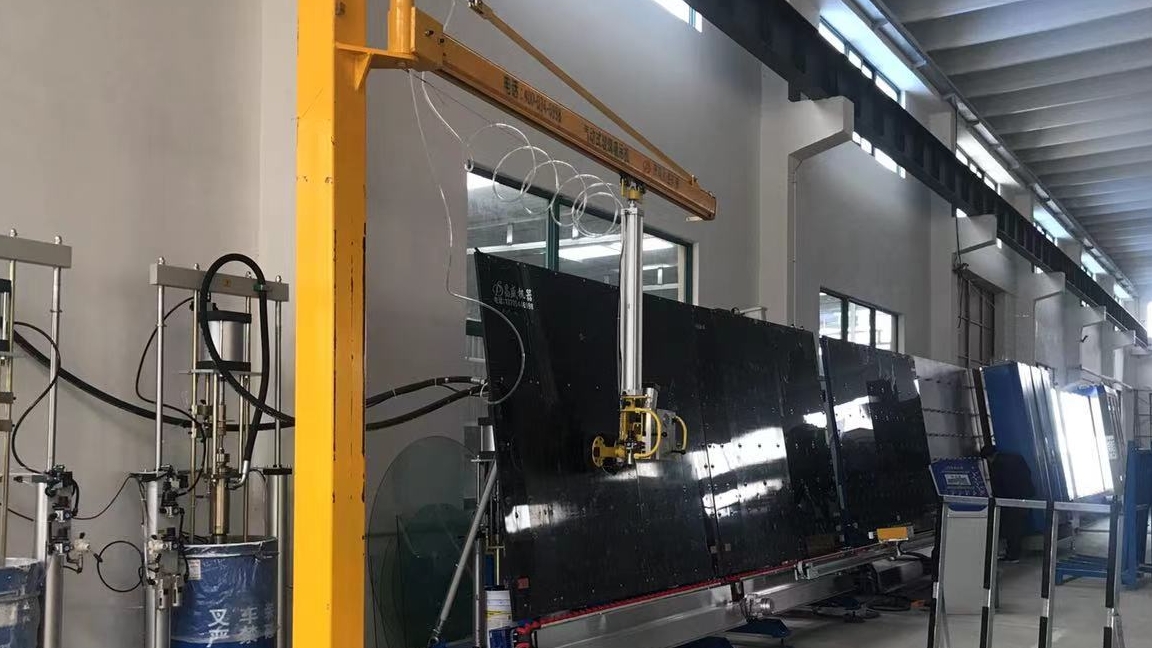
在實操過程中,還需要注意一個細節:這5個要點并非獨立存在,而是相互配合、相互影響的。比如,即便水質達標、毛刷潔凈,若風刀角度調整不當,水分無法及時剝離,依舊會出現水痕;若水箱潔凈,但水質不達標,也無法實現理想的清洗效果。因此,需要將這5個要點結合起來,全程把控,才能確保每一塊玻璃都能被清洗得潔凈無瑕疵。
In the practical process, it is also important to pay attention to one detail: these 5 points do not exist independently, but are interrelated and influence each other. For example, even if the water quality meets the standard and the brush is clean, if the angle of the air knife is not adjusted properly and the moisture cannot be peeled off in time, water marks will still appear; If the water tank is clean, but the water quality does not meet the standard, the ideal cleaning effect cannot be achieved. Therefore, it is necessary to combine these 5 points and control the entire process to ensure that every piece of glass can be cleaned clean and flawless.
對于中空玻璃生產企業來說,洗出干凈的玻璃,不僅能提升產品品質和口碑,還能減少返工率,節省生產成本。而想要實現這一點,無需投入大量資金更換設備,只需牢記這5個核心要點,在日常生產中嚴格把控水質、及時清理毛刷和水箱、調整好風機功率與風刀角度,就能輕松解決清洗難題,讓中空玻璃生產線發揮最佳性能。
For insulated glass production enterprises, washing clean glass can not only improve product quality and reputation, but also reduce rework rates and save production costs. To achieve this, there is no need to invest a large amount of money in replacing equipment. Just remember these 5 core points, strictly control water quality in daily production, clean brushes and water tanks in a timely manner, adjust fan power and blade angle, and easily solve the cleaning problem, allowing the hollow glass production line to perform at its best.
總結來說,中空玻璃生產線洗出更干凈的玻璃,關鍵在于5個核心細節的把控:控制清洗用水電導率在30~50個西門子以內、及時清理毛刷和膠滾、保持水箱潔凈、協調風機功率與風刀配合、將風刀角度調整至75度左右。只要掌握這些要點,注重日常操作中的細節管控,就能徹底擺脫玻璃清洗不徹底的困擾,生產出潔凈透亮、無瑕疵的中空玻璃,提升企業的核心競爭力。
In summary, the key to producing cleaner glass on the insulated glass production line lies in the control of five core details: controlling the conductivity of the cleaning water within 30-50 Siemens, cleaning brushes and rubber rollers in a timely manner, keeping the water tank clean, coordinating fan power and blade coordination, and adjusting the blade angle to around 75 degrees. As long as you master these key points and pay attention to detail control in daily operations, you can completely get rid of the problem of incomplete glass cleaning, produce clean, transparent, and flawless insulating glass, and enhance the core competitiveness of the enterprise.
- 全自動鋁條折彎機:中空玻璃高效智造的核心裝備 2026/06/10
- 中空玻璃生產線選購指南的高效產能 2026/06/08
- 中空玻璃生產線:建筑節能與深加工的智造中樞! 2026/06/06
- 中空玻璃加工設備的科技魅力 2026/06/04
- 中空玻璃產線在智能生產的華麗蛻變 2026/06/01
- 立式丁基膠涂布機如何快速完成生產任務? 2026/05/29
- 中空玻璃的“隱形防線”:全自動丁基膠涂布機 2026/05/27
- 中空玻璃生產線數字化賦能:打破效率“堵點” 2026/05/25
- 中空玻璃生產線抽絲剝繭:揭秘核心工藝流程 2026/05/22
- 中空玻璃生產線是如何控制生產質量 2026/05/20
 產品分類Product categories
 聯系我們Contact us